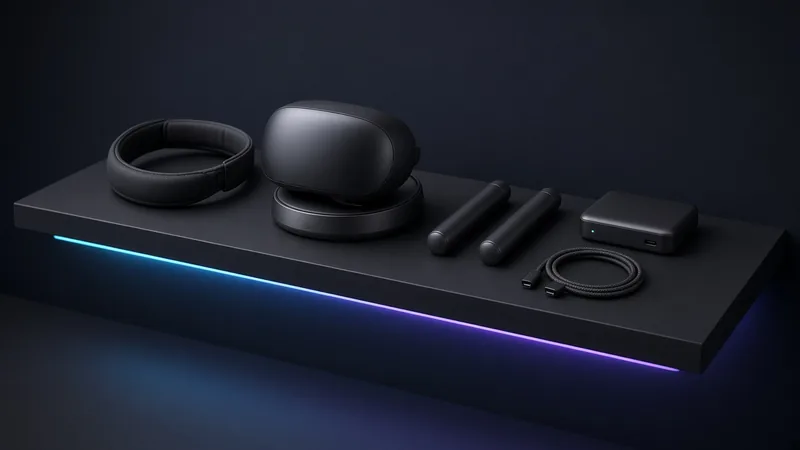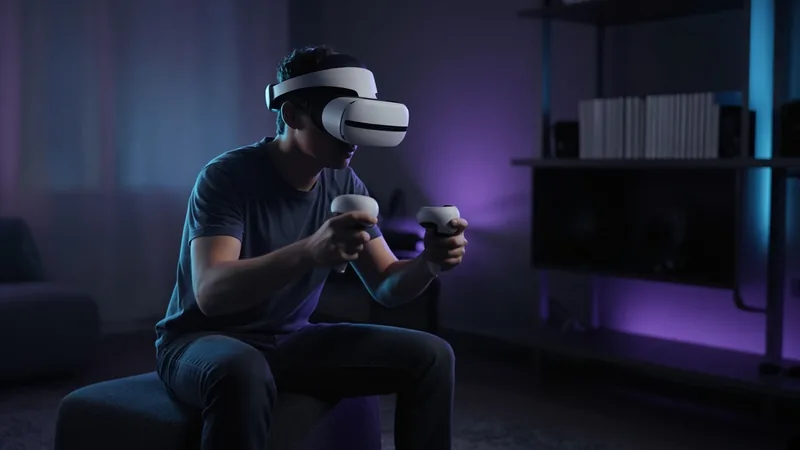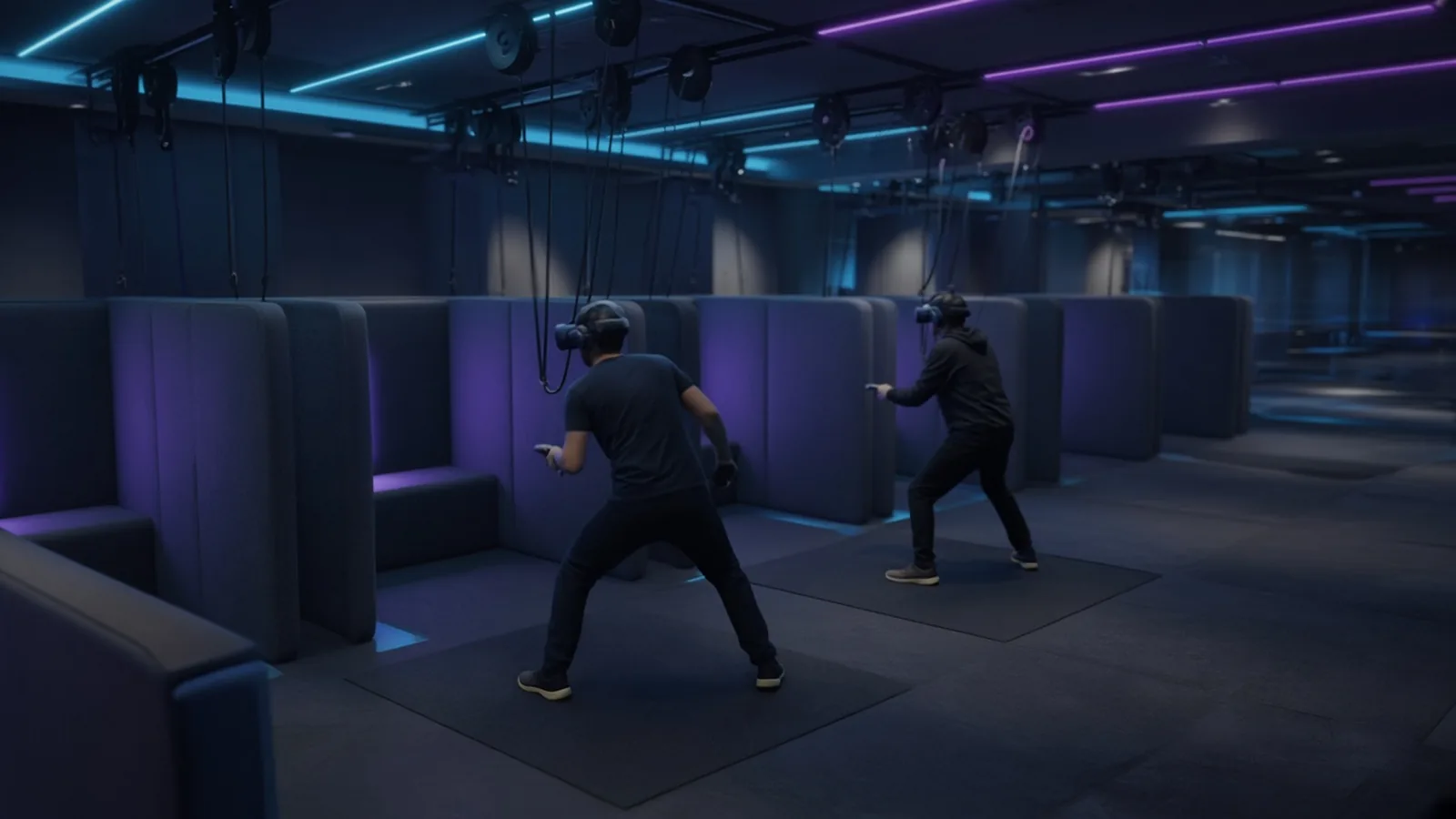
A VR arcade is a purchasing problem before it is a gaming problem. Nothing in the room is bought once: every bay needs its own headset, its own dock, its own case, and its own set of consumables, and the cheap parts are the ones you order twelve of. The per-bay numbers are what decide your setup cost, not the rent.
Everything below is a part you can order on Amazon today, priced at the figure already on the listing. Prices are per unit, so multiply them by your bay count — that is the real number on your spreadsheet.
Quick Verdict
| Gear | Best For | Buy per bay? |
|---|---|---|
| Meta Quest 3 512GB | Your main paid bay | Yes |
| Meta Quest 3S | Cheapest ticketed bay | Yes |
| PlayStation VR2 | PS5-themed bay | Yes |
| Quest 3 Charging Dock | Charging at the bay | Yes |
| Quest 3 Carrying Case | Storage and transport | Yes |
| Lens Protector | Scratch cover | Yes |
| Controller Grips | Consumable, shared hands | Yes |
| Rechargeable AA Batteries | Controller power | Yes |
| Anker Zolo 20K Power Bank | Floating and travelling bays | Optional |
| Gaiam Premium Yoga Mat | Marking a play boundary | Optional |
1. Meta Quest 3 512GB — Best Main Paid Bay
The bay that carries your revenue. The 512GB model is the one to standardise on because a venue installs every title it sells time on and never deletes one to make space, and the colour passthrough means a staff member can watch a customer through the passthrough rather than standing in the play area with them.
Why it works at scale: it is the most widely owned headset on this list, and it is standalone, so a bay is a headset and nothing else — no PC, no cable run through the room.
Meta Quest 3 512GBCheck price on Amazon
2. Meta Quest 3S — Best Cheapest Ticketed Bay
Same Snapdragon XR2 Gen 2 chip as the Quest 3 and the same game library, for much less money, which is what makes a lower-priced ticket slot work without offering a worse product. It is the entry bay: the family group, the shortest session, the customer who has never had a headset on.
Why it works at scale: one accessory shelf covers the whole venue, because the 3 and 3S take the same cases, docks, grips and protectors — with one exception worth knowing: face pads are cut per model, so order those by headset.
Meta Quest 3SCheck price on Amazon
3. PlayStation VR2 — Best Themed Bay
The cable to the console is the trade, and it is the reason this is a themed bay rather than the default: it only earns its floor space if the room already has a PS5 in it. What you get for that cable is a headset the console games market actually ships for, and a shelf of physical boxes a customer recognises.
PlayStation VR2Check price on Amazon
Budget a second DualSense controller for two-player bays, and an OIVO DualSense Charging Station so a session never waits on a charge.
4. Quest 3 Charging Dock — The Part You Buy One Per Bay
This is the difference between a venue that runs all day and one that closes the last two hours. A dock means a headset goes back to its bay on charge, so the next group is never told the headset needs twenty minutes. A shared power strip cannot do that — it needs somebody to plug each headset in.
Why it works at scale: it holds the headset and both controllers in one place, and owner feedback on it is consistently good. Order one per bay, on day one.
Quest 3 Charging DockCheck price on Amazon
5. Cases — The Cheapest Thing on Your List
A headset that lives on a shelf between sessions gets a controller dragged across its lenses. Cases are the least expensive protection in the whole build, so there is no reason to run a bay without one.
Why it works at scale: the lens protector is the cheapest insurance here and the first thing to break on a shared headset; the sarlar hard case is one of the most widely used cases in its category and takes a 3, 3S or 2 in the same shell, which keeps one case SKU across a mixed fleet. The official Quest 3 carrying case is the one that closes over an attached strap.
6. Consumables — Order These Twelve Deep
Nothing in this section is optional at venue scale, because it is the part that passes through a lot of hands in a day and the part you replace rather than repair.
What to stock: controller grips, since a grip that comes off mid-swing is a dropped controller; rechargeable AA batteries, which is the line item that quietly kills your per-session cost compared with disposables.
7. Floor, Power and Storage — The Parts a Home Buyer Skips
A Gaiam yoga mat at the entrance to each bay is the cheapest boundary marker in the room: it tells a customer where they are allowed to step and it gives them somewhere soft to stand for a seated game.
For a bay that runs off a machine rather than standing alone, an Anker USB-C hub puts the cable on the desk instead of in the play space. A Samsung T7 Shield 1TB SSD is what a venue buys so the whole library is installed and ready rather than downloading in front of a customer. And an Anker Zolo 20K power bank per bay is what lets a headset leave the room.
Per-Bay Parts List at Three Build Types
| Build | Parts |
|---|---|
| Budget bay | Quest 3S, dock, case, lens protector, grips, one AA 4-pack |
| Main bay | Quest 3 512GB, dock, case, lens protector, grips, one AA 4-pack |
| Themed bay | PSVR2, second DualSense, controller dock, PSVR2 case |
To estimate a "setup cost", price one bay from the current Amazon listings above and multiply by your bay count — and remember that is hardware alone. The room, the insurance and the software licences are not on this list because none of them have a listing we can price.
Which Build Should You Run?
- Most bays: the Quest 3 512GB, for the storage and the standalone room.
- Your cheapest ticket: the Quest 3S — same games, a much lower cost per bay.
- A PS5 room: the PSVR2 bay, and budget the second controller.
- Every build: one dock, one case, one lens protector and one set of grips per bay.
Two things to settle before you order anything twelve deep. Standardise the fleet: one headset model means one case, one dock and one set of spares, and mixed fleets need two of each. Then decide the hygiene model, because face pads are cut per headset model and a shared-headset venue needs to be able to swap them — the facial interface guide covers which pad fits which model. The carrying case guide covers what closes over a battery strap, and for the boundary gear see the VR fitness equipment list.